
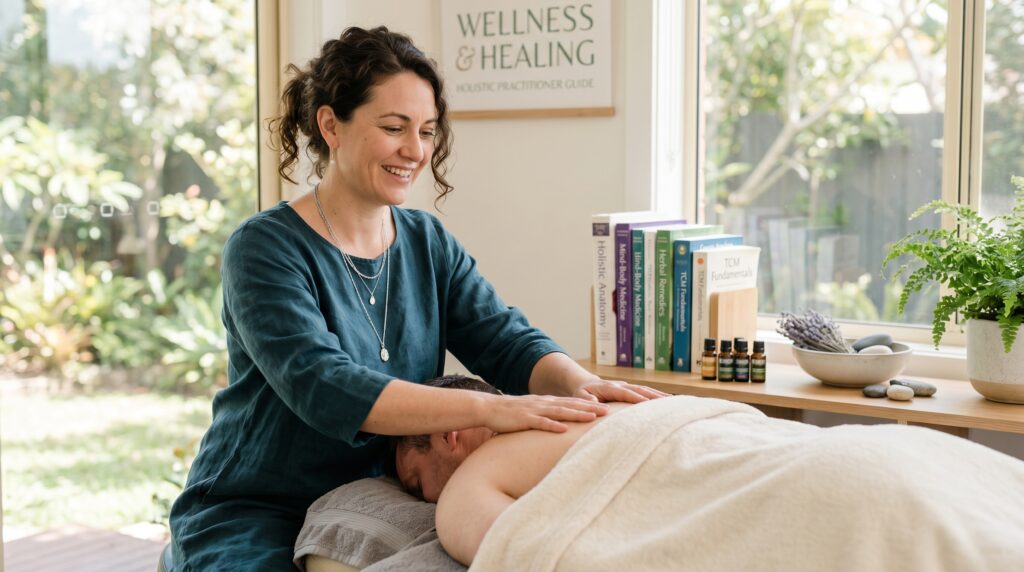
Interest in natural wellness continues to grow as more people seek balanced approaches to physical, emotional, and spiritual health. As a result, the demand for qualified holistic practitioners has increased significantly. If you’ve ever wondered how to become a holistic healing practitioner, understanding the education, certifications, skills, and career opportunities available can help you build a rewarding profession dedicated to helping others.
Whether your goal is to become a wellness coach, energy healer, or holistic health specialist, there are many pathways available within this expanding field.
What Does a Holistic Healing Practitioner Do?
A holistic healing practitioner focuses on supporting the whole person rather than addressing isolated symptoms. Practitioners recognize the connection between physical health, emotional wellbeing, mental clarity, and spiritual balance.
A holistic wellness practitioner may use various techniques, including:
- Energy healing
- Meditation and mindfulness
- Nutritional guidance
- Stress management strategies
- Bodywork therapies
- Lifestyle coaching
- Emotional wellness support
Some practitioners specialize in a particular area, while others combine multiple healing modalities to create personalized wellness plans for their clients.
Understanding the Holistic Healing Career Path
A successful holistic health practitioner career often begins with personal interest in wellness and a desire to help others achieve healthier, more balanced lives.
The holistic healing career path guide generally follows several stages:
- Learning foundational wellness principles
- Completing professional training
- Earning certifications
- Gaining practical experience
- Building a private practice or joining an existing wellness center
Since holistic health is a broad field, practitioners can choose specialties that align with their interests and strengths.
Education and Training Options
One of the first steps in learning how to become a holistic healing practitioner is selecting the right educational path.
Many students begin with holistic therapy training programs that provide instruction in areas such as:
- Mind-body wellness
- Stress management
- Energy work
- Nutrition fundamentals
- Client communication
- Holistic assessment methods
These programs help students develop both theoretical knowledge and practical skills needed to work with clients effectively.
Quality holistic practitioner training often includes hands-on experience, mentorship opportunities, and supervised practice sessions that prepare students for real-world situations.
Certifications That Can Strengthen Your Career
Although certification requirements vary by specialty and location, professional credentials can enhance credibility and career opportunities.
Common certifications include:
Holistic Health Certification
A holistic health certification demonstrates that a practitioner has completed recognized education and training in holistic wellness principles and client care.
Energy Healing Certification
An energy healing certification is designed for individuals interested in helping clients restore energetic balance and emotional wellbeing through various energy-based healing techniques.
Wellness Coach Certification
A wellness coach certification focuses on behavior change, goal setting, lifestyle improvement, and long-term health support. Many holistic practitioners combine coaching skills with other healing modalities.
Alternative Medicine Certification
Some professionals pursue an alternative medicine certification or certification in alternative medicine to broaden their understanding of complementary wellness approaches and natural health practices.
These credentials can help establish trust with potential clients while demonstrating a commitment to professional development.
Essential Skills Every Holistic Practitioner Needs
Success in holistic wellness involves more than completing courses and earning certifications. Strong interpersonal and practical skills are equally important.
Some of the most valuable abilities include:
Communication Skills
Practitioners must listen carefully and communicate clearly to understand clients’ concerns and wellness goals.
Empathy and Compassion
Holistic practitioners often work with individuals facing stress, emotional challenges, or health concerns. Compassion helps create a supportive healing environment.
Critical Thinking
Every client is unique. Practitioners must evaluate individual needs and adapt their approach accordingly.
Professional Ethics
Maintaining confidentiality, respecting boundaries, and working within professional limitations are essential for long-term success.
Career Opportunities in Holistic Healing
The wellness industry offers a wide range of career opportunities for trained professionals.
Graduates may work as:
- Holistic wellness practitioners
- Wellness coaches
- Energy healing practitioners
- Meditation instructors
- Stress management specialists
- Holistic health consultants
Some individuals establish private practices, while others work in wellness centers, spas, fitness facilities, retreat programs, or integrative health environments.
Those interested in becoming a holistic health practitioner San Diego can find growing opportunities as demand for natural wellness services continues to expand throughout the region.
Specialized Energy Healing Training
Energy work has become one of the fastest-growing areas within holistic wellness.
Students interested in becoming an energy healing practitioner often pursue specialized courses focused on:
- Energy awareness
- Chakra balancing
- Emotional energy release
- Mind-body connection
- Relaxation techniques
Many wellness centers now offer energy healing training San Diego programs designed to provide both foundational knowledge and practical application.
Bodywork and Shiatsu Therapy Training
Many holistic practitioners choose to expand their skills through body-centered healing methods.
People searching online for shiatsu massage near me are often seeking natural approaches to stress reduction, pain management, and relaxation.
Training related to shiatsu massage san diego services may include learning pressure-point techniques, body mechanics, energy pathways, and holistic wellness principles that complement other healing practices.
Adding bodywork skills can create additional career opportunities and provide more comprehensive support for clients.
Building a Successful Holistic Practice
Once education and certifications are complete, practitioners can begin building their professional careers.
Success often comes from:
- Continuing education
- Developing specialized expertise
- Building strong client relationships
- Creating a professional online presence
- Networking within the wellness community
As public interest in natural wellness continues to grow, qualified practitioners are increasingly positioned to make a meaningful impact in their communities.
Frequently Asked Questions
Many wellness centers, private practitioners, and integrative health clinics throughout San Diego offer holistic healing services focused on physical, emotional, and spiritual wellbeing.
Look for appropriate training, certifications, client reviews, professional experience, and an approach that aligns with your wellness goals.
Options may include energy healing, meditation coaching, wellness coaching, nutritional guidance, bodywork therapies, mindfulness training, and stress management services.
Holistic healing addresses the underlying factors contributing to stress while promoting relaxation, self-awareness, and emotional balance.
Mindfulness practices, energy healing, meditation, wellness coaching, and body-centered therapies are commonly used to support emotional wellbeing.
Holistic therapies may complement traditional care, but individuals should consult qualified healthcare professionals before changing prescribed treatments.
Results vary depending on the individual, their goals, and the therapies being used. Some people notice improvements quickly, while others experience gradual progress over time.
Sessions often include discussion of wellness goals, assessment of current concerns, relaxation techniques, and personalized recommendations.
Many individuals find that consistent holistic practices help build resilience, improve coping skills, and support long-term emotional wellness.
Yes. Holistic approaches encourage self-awareness, balance, and healthy lifestyle habits that can strengthen emotional resilience and overall wellbeing.