
Shiatsu therapy is a traditional Japanese massage therapy that uses finger, thumb, palm, and body pressure on specific healing points to release tension, support energy flow, and promote relaxation. It works by applying steady pressure along the body’s meridian pathways, helping reduce stress, anxiety, muscle tightness, and discomfort while encouraging natural balance and overall well-being. Shiatsu is commonly performed through clothing and may include pressing, kneading, tapping, and stretching techniques.
What Is Shiatsu Therapy And How Does It Work?
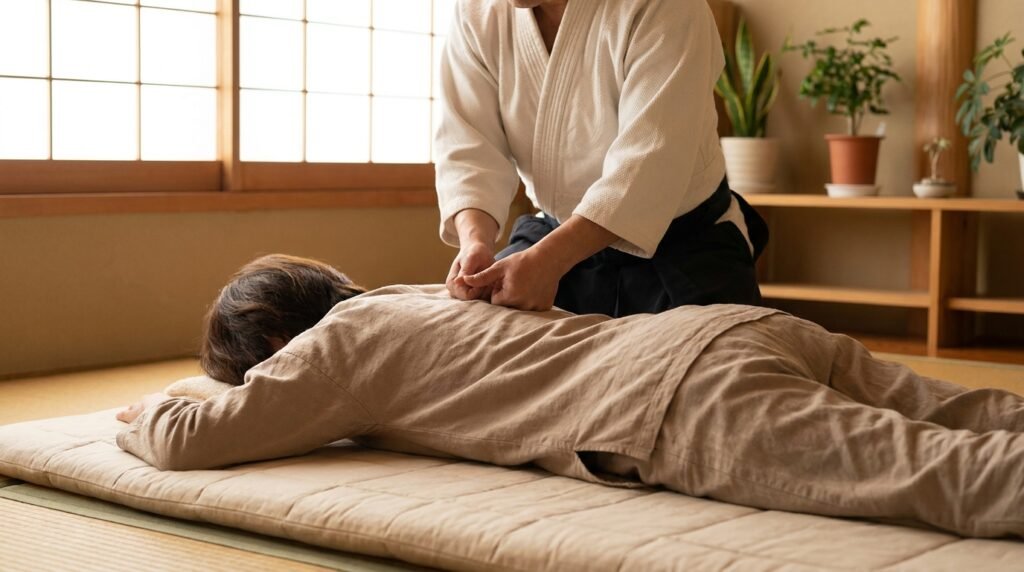
Understanding how Shiatsu therapy works starts with pressure and response. The practitioner applies steady pressure with the thumbs, fingers, palms, elbows, knees, or feet. This contact may help relax soft tissue, calm the nervous system, and improve body awareness.
Shiatsu therapy is closely connected to Seymour Koblin, founder of ISOHA and author of The Art of Zen-Touch. Shiatsu reflects a holistic approach that focuses on energy balance, mindful touch, pressure points, and the connection between body tension and emotional well-being.
10 Key Benefits of Shiatsu Massage
The most recognized shiatsu therapy benefits are connected to relaxation, tension relief, and emotional balance. Shiatsu should not be treated as a cure for disease, but many people use it as a complementary wellness practice.
10 Key Benefits of Shiatsu Massage:
- Lowers tension and encourages profound physical relaxation.
- Relieves muscle stiffness and improves natural body movement.
- Supports the reduction of shoulder, neck, and back pain.
- Supports good sleep by calming the nervous system.
- Helps reduce anxiety, restlessness, and emotional tension naturally.
- Improves body awareness, posture, and breathing patterns.
- Encourages balanced energy flow through healing pressure points.
- Supports healthy circulation with gentle pressure and stretching.
- Restores physical relaxation after fatigue, stress, or overwork
- Balances the body and mind to promote general well-being.
Shiatsu Therapy Techniques and Healing Points
Shiatsu therapy techniques include thumb pressure, palm pressure, assisted stretching, gentle rotation, rocking, and holding. The pressure is usually firm but should not feel painful. A skilled practitioner adjusts the pace and depth according to the person’s comfort, health history, and body response.
Acupressure vs Shiatsu Therapy
The comparison of acupressure vs shiatsu therapy is important because both practices use pressure points. Acupressure often focuses on specific points for targeted concerns, while Shiatsu is usually a fuller bodywork session that considers posture, breath, movement, and overall energy patterns.
Shiatsu Therapy for Stress, Anxiety, and Pain Relief
Many people seek shiatsu therapy for anxiety because the quiet, steady nature of the session may help calm the body. The pressure, breath awareness, and stillness can create a sense of safety, which may help reduce nervous tension. However, massage has not been proven to treat generalized anxiety disorder, so it should be used as supportive care rather than a medical replacement.
How Often Should You Get Shiatsu Massage?
The right frequency depends on stress level, pain patterns, lifestyle, and wellness goals. Some people choose Shiatsu once a week during periods of high stress or discomfort, while others schedule sessions every two to four weeks for general relaxation and balance. For long-term wellness, consistency often matters more than intensity.
Conclusion
Shiatsu therapy offers a gentle and meaningful way to support the body, mind, and emotional balance. As a traditional Japanese massage therapist, Seymour Koblin uses focused pressure, stretching, and mindful touch to help release tension, ease tension, and improve physical self-awareness. While Shiatsu should not replace medical care, it may be a helpful complementary therapy for relaxation, anxiety support, and short-term pain relief; the focus remains on natural healing, inner balance, and reconnecting with the body’s ability to restore harmony.
Frequently Asked Questions
Shiatsu massage benefits include stress relief, reduced muscle tension, better relaxation, improved body awareness, energy balance, and short-term pain support.
Yes, Shiatsu therapy for anxiety may calm the nervous system, ease emotional tension, and support deeper relaxation during stress naturally.
Shiatsu therapy for pain relief may ease stiffness, improve movement, and support short-term comfort in the back, neck, and shoulders.
For general wellness, get a Shiatsu massage every two to four weeks; weekly sessions may help during high stress or discomfort.
Shiatsu therapy is generally safe, but people with medical conditions, pregnancy concerns, recent injuries, or severe pain need professional guidance.
People with fractures, blood clots, fever, infections, osteoporosis, open wounds, or recent surgery should avoid Shiatsu unless medically cleared first.
Regular massage focuses on muscles, while Shiatsu massage uses pressure points, stretching, and energy pathways for whole-body balance and relaxation.